
Loading page...
Loading page...
Fetching blog details...
Hello, Gardeners All. It's July and the height of summer: tennis on the telly, boats on the river, BBQs in back gardens, Pimms - and hose pipe bans. Of course hose pipe bans. Very tempting to idle the days away as the temperatures rise (and rise!), but despite all these distractions many things are growing apace outdoors and we're here to lend a helping hand.
Sowing & Growing
Sow fast growing veg seeds now to see you through late summer and into autumn. Radishes and beets, for instance, will be ready to harvest in 6 – 8 weeks; leafy greens like rocket, cut-and-come-again lettuce, spinach and mustard greens will be ready in 4 – 6 weeks. Try and sow your rocket and spinach in part shade to prevent bolting.
Continue sowing your biennial perennials for strong, healthy, and faster-to-flower plants next year.
As spent crops in the veg and cutting patch are cleared, bare areas will begin to appear. Consider broadcasting some green manure seeds over them. Something like a Summer Quick Fix mix will help suppress the weeds and keep the soil's structure in good shape. A fast growing summer cover crop will be ready to dig into the earth by early autumn.
Start sending off for your spring bulb catalogues now. It's only 8 weeks or so before bulb planting season begins, and with such a lovely choice of plants now available on the market, it's good to be in the front of the queue with your ordering! Some of my favourite narcissi come from small suppliers like Harding & Bloom (hardingandbloom.co.uk), and I particularly lean towards varieties like n. 'Salome' with it's apricot hues. Larger bulb suppliers, of course, have a greater choice of bulbs in stock and are often more economical. Try J Parkers (jparkers.co.uk for retail buyers; dutchbulbs.co.uk for wholesale), who have some lovely muscari and iris reticulata on their books. I'm partial to some of the newer varieties like m. armeniacum 'Julia' and i. reticulata 'Sea Breeze'.
Pruning
Cut lavender for drying now, choosing newly opened flowers for the best colour retention and fragrance. Tie in bundles of about 15 stems apiece, and hang upside down in a cool, dark place. And once your lavender shrubs have finished flowering, give them a good, all over trim to keep them compact and bushy.
Continue cutting back tired and leggy early summer flowering perennials such as hardy geraniums, delphiniums and alchemilla mollis to encourage a second flush later in the season.
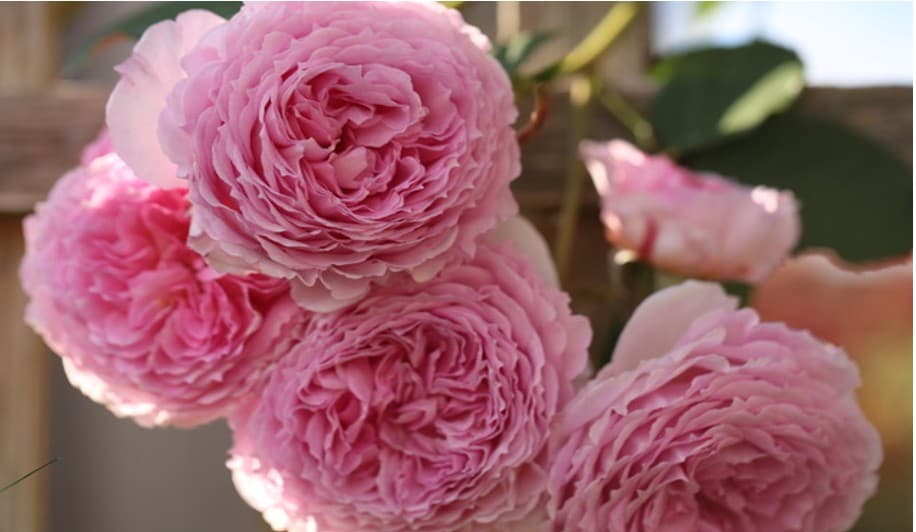
Keep picking and deadheading your repeat flowering roses to encourage more blooms from now until the autumn. They'd also appreciate a good slug of feed now.
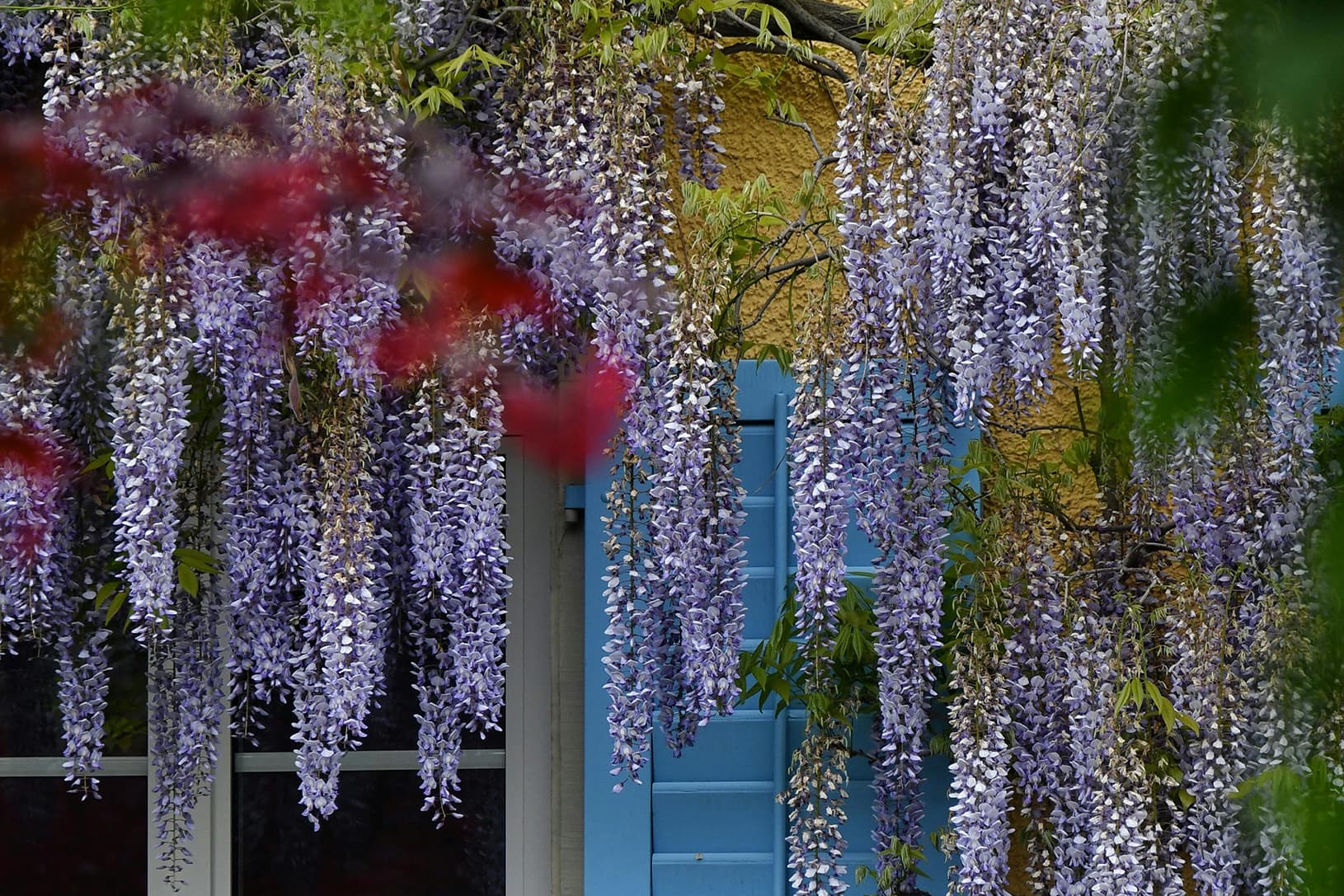
Cut wisteria and rambling roses back to keep them under control.
Experiment with taking some softwood cuttings from some of your shrubs. Choose strong, current season's growth – which is more likely to root quickly – and, using a clean, sharp pair of secateurs, snip a stem from just above a leaf on the parent plant of approximately 10cm in length. Then, with a sharp pruning knife, trim your stem further by making another straight cut slightly below a bottom leaf joint. Remove all leaves from the lower half of your new cutting, and snip off the top half of the remaining leaves to reduce the overall foliage area and minimise transpiration (water loss). You may then wish to dip the base of the cutting in hormone rooting powder – although this step is not essential – before inserting the stem into a pot filled with good quality compost mixed with horticultural grit. A 50:50 compost to grit ratio is ideal and will help to improve soil aeration, aid water drainage, and minimise the likelihood of your cutting rotting. Pop a clear polythene bag over the pot, secure with an elastic band and place the cutting to root in a warm spot out of direct sunlight. Don't allow the soil to completely dry out in the meantime. Great candidates for softwood cuttings include buddleja, euonymus, shrubby salvia, viburnum and cotinus.
Other Jobs
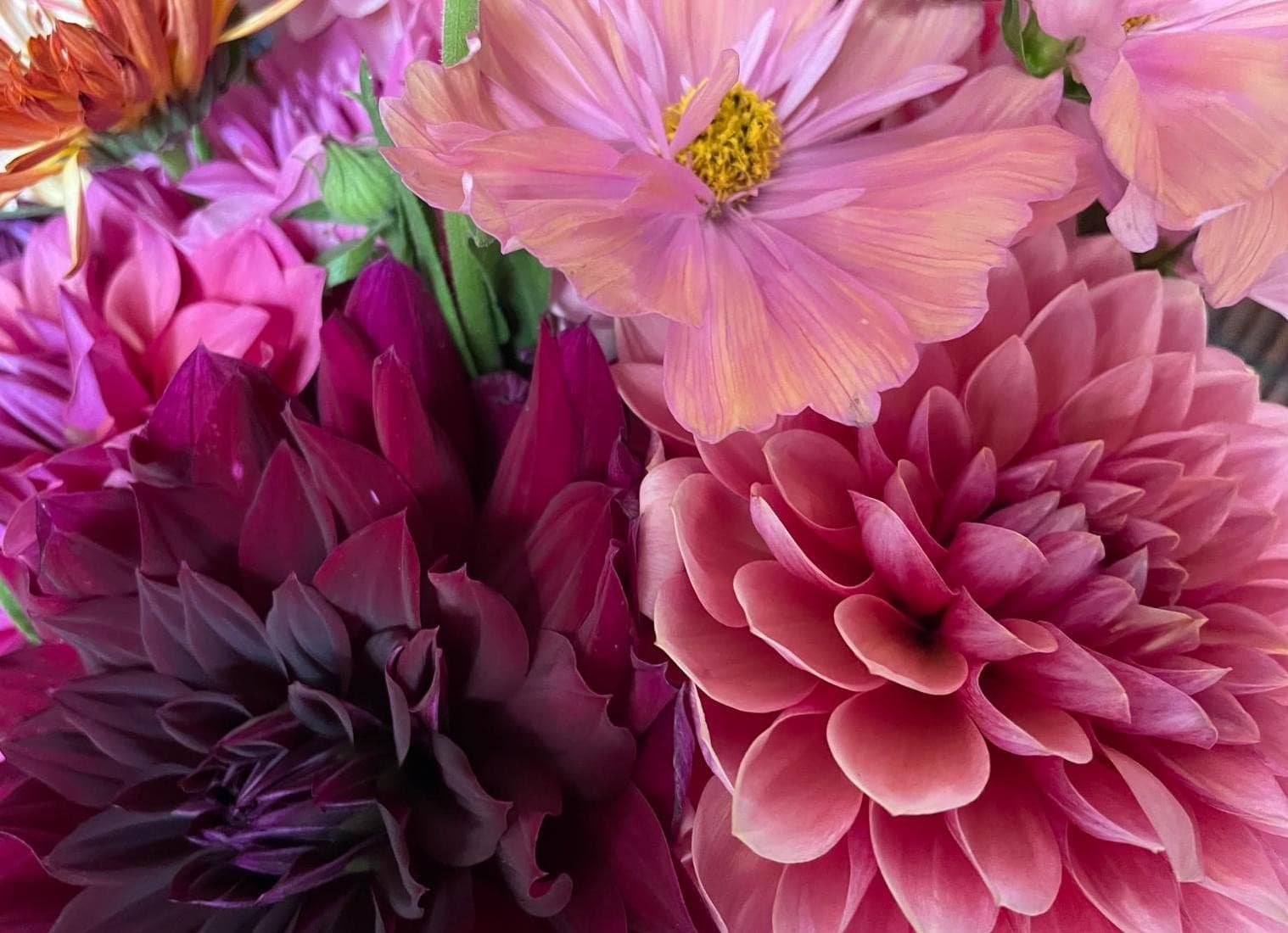
Give dahlias a high potash liquid feed fortnightly, and tie to sturdy stakes as they continue to grow. Feed tomatoes, chillies and cucumbers now, too.
Keep an eye out for rascals such as lily beetles and vine weevils and pick off before they do too much damage. Aphids can be pests now, too. Rub or wash them off sooner rather than later to prevent them from multiplying, and if you do have an infestation, an organic method for dealing with them would be a liberal application of neem oil to the host plant. Lastly, cover brassicas with fine netting to keep cabbage butterflies at bay.
Water wisely in the early morning or late evening to minimise evaporation. Additionally, rather than a quick daily spritz, established plants prefer a thorough, deep watering directed straight to the root zone a couple of times a week. And, as our climate continues to change, do consider having a drip hose system professionally installed if you have a larger garden. It is an expense, but saves 50 – 70% in water usage and is more ecologically sound than the standard watering methods. In the long run, you’ll enjoy lower utility bills and free up valuable time for what matters most. We have one or two great irrigation experts on the WeWeed website. Sound them out if they're in your area!
Finally, consider mulching your beds with horticultural bark. This will help keep moisture in, roots cool, and weeds at bay. Bark also breaks down over time, providing an extra bit of nutrition and structure for the soil.
Have fun in the garden, Everyone!